
How is the Gold Standard document series numbered?
Gold Standard organises its rules into a numbered series, and the number tells you what kind of document you are holding. The 100 series holds the overarching principles and the procedures that apply to everything. The 200 series is activity-specific. The 300 series covers context. The 400 series holds the impact quantification methodologies. The 500 series governs the certified products themselves.
The practical consequence is that no single document tells a project what to do. A forestry project is governed by 101 Principles & Requirements, the 203 Land-use & Forests Activity Requirements and a 400-series methodology simultaneously, plus the audit rules in 113. Reading only the activity requirements is the usual mistake, and it is an expensive one to discover during validation.
Which documents does a land-based project need?
A forestry or agroforestry project works from a small stack. The 101 Principles & Requirements set the overarching rules. The 203 Land-use & Forests Activity Requirements set land eligibility and activity design. The 203G Risks and Capacities Guidelines govern how reversal risk is assessed. The 403 methodology handles quantification, and 113 governs the audit.
- 101 Principles & Requirements — applies to every certified activity.
- 203 Land-use & Forests Activity Requirements — forestry and afforestation activity rules.
- 203G Risks and Capacities Guidelines — performance risk for agriculture and forestry.
- 403 A/R methodology — greenhouse gas quantification, catalogued on the methodology page.
- 113 Validation and Verification Standard — how the independent audit is conducted.
A mangrove or coastal project follows the 204 Blue Carbon and Freshwater Wetlands Activity Requirements and the 204G guidelines instead of the 203 pair, and a project centred on farming practice follows the 206 Agriculture Activity Requirements. The activity determines the stack.
Which documents matter for smallholder aggregation?
Two are worth knowing about early. Document 107, Programme of Activity Requirements and Procedures, is the route by which many activities are certified under one programme rather than registered individually. Document 108, Microscale Project Requirements, provides simplified requirements for very small activities.
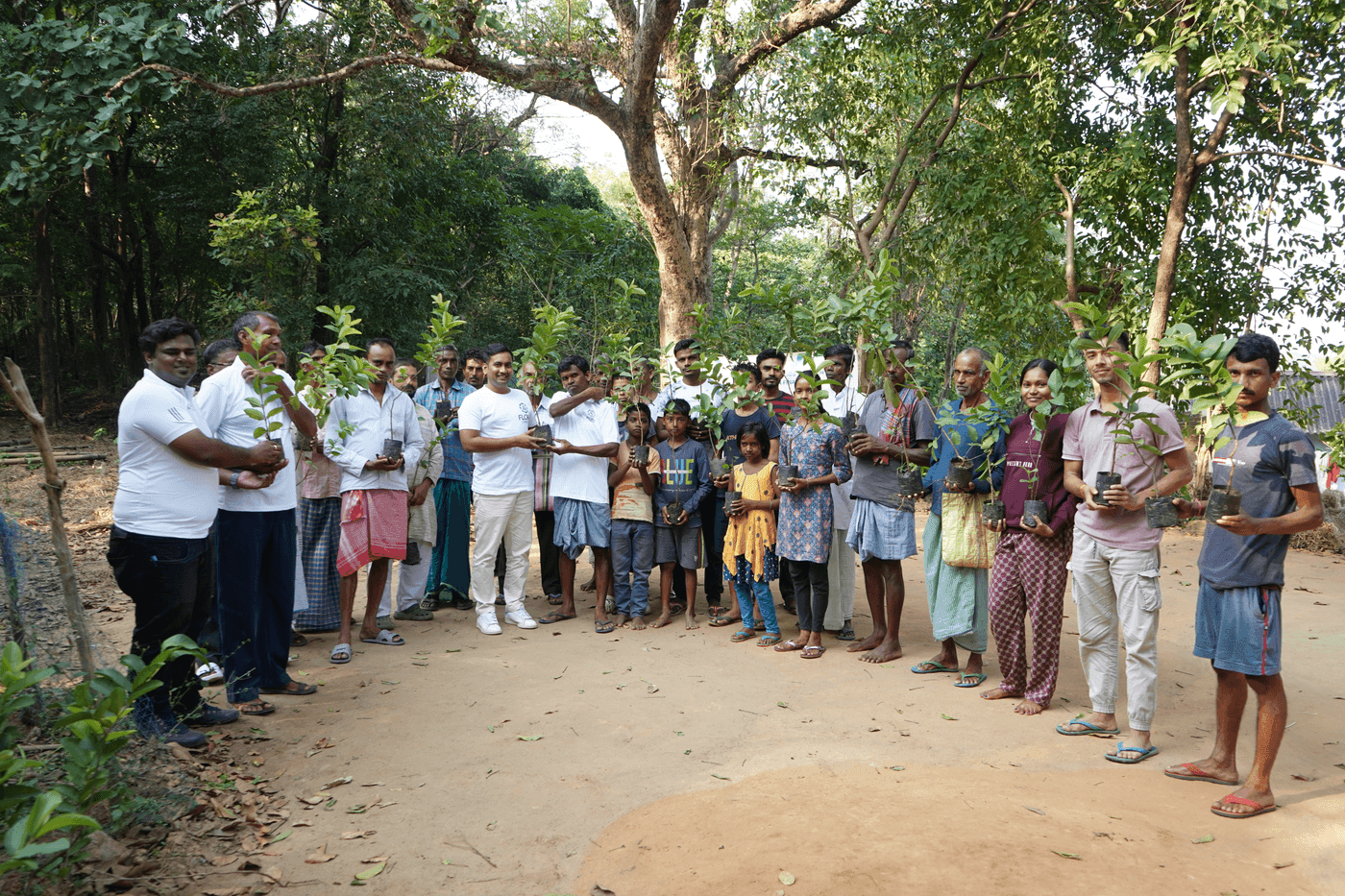
For a programme aggregating farmers in successive cohorts, these are the documents that determine whether the administrative cost per participant is workable. Flora Carbon AI's Purulia district agroforestry programme in West Bengal is a Gold Standard grouped project, which is the same structural idea.
What is in this library, and what is not?
Gold Standard publishes a great deal. The 400 series alone runs to more than eighty entries, most of them methodologies for activities that have nothing to do with land — cookstoves, shipping retrofits, elevator regeneration, contrail prevention. This library covers the rules, procedures and activity requirements a land-based project is actually governed by; the land-relevant methodologies are catalogued separately on the methodology page.
Retired and under-revision documents are omitted, as are methodologies for unrelated sectors. Everything here links to Gold Standard's own copy, and the publisher's own series indexes are linked in the sources below for anyone who wants the rest. No document text is reproduced — the descriptions of what each governs are ours.
How does this compare with the Verra document set?
Both registries separate overarching rules from activity-specific rules from quantification methodologies, and both require independent validation and verification. Gold Standard additionally requires demonstrated contributions to the Sustainable Development Goals, which is why its 400 series is called impact quantification rather than greenhouse gas quantification, and why documents on stakeholder consultation, safeguarding and gender equality sit in the mandatory core rather than in guidance.
For the Verra equivalent, see the VCS document library and the VCS land-based methodologies.