
All learn articlesCarbon standards

The six VCS AFOLU project types

Agriculture, Forestry and Other Land Use is divided into six project types, and which one a project falls under is decided by what happens on the land.

Flora Carbon AI··7 min read
Afforestation project site under satellite monitoring

Agriculture, Forestry and Other Land Use (AFOLU) is the VCS category covering land-based projects, and it is divided into six project types — afforestation reforestation and revegetation, agricultural land management, improved forest management, reduced emissions from deforestation and forest degradation, avoided conversion of grasslands and shrublands, and wetlands restoration and conservation.

Key facts

  • AFOLU is the VCS project category for land-based activities, subdivided into six project types.
  • ARR covers afforestation, reforestation and revegetation — creating tree cover where there was none.
  • ALM covers agricultural land management — changing practice on working farmland.
  • IFM covers improved forest management — changing how existing managed forest is worked.
  • REDD covers reduced emissions from deforestation and forest degradation — protecting forest under threat.
  • ACoGS covers avoided conversion of grasslands and shrublands.
  • WRC covers wetlands restoration and conservation, which is where mangrove and coastal work sits.
  • The project type is determined by the activity on the ground, and it determines which methodologies are available.

What is AFOLU?

AFOLU stands for Agriculture, Forestry and Other Land Use. It is the VCS project category covering land-based activities, and it is separated from the rest of the programme because land carbon behaves differently: it can be lost again, it is spread across landscapes rather than concentrated at a facility, and its measurement depends on biology rather than on metering.

That is why AFOLU projects carry additional requirements the rest of the programme does not, most notably the non-permanence risk assessment and buffer pool contribution — see non-permanence risk and the buffer pool.

What are the six AFOLU project types?

Each type describes a different relationship between the project and the carbon. Some create new stock, some protect existing stock, and some change how land already in use is managed.

The six VCS AFOLU project types and the activity each covers.
TypeStands forThe activity
ARRAfforestation, Reforestation and RevegetationEstablishing tree or vegetation cover where there was none
ALMAgricultural Land ManagementChanging practice on working farmland, including soil carbon
IFMImproved Forest ManagementChanging how existing managed forest is harvested or managed
REDDReduced Emissions from Deforestation and Forest DegradationProtecting forest that would otherwise be cleared or degraded
ACoGSAvoided Conversion of Grasslands and ShrublandsPreventing conversion of natural grassland or shrubland
WRCWetlands Restoration and ConservationRestoring or conserving tidal and freshwater wetlands

The distinction between creating stock and protecting stock matters more than it first appears. A removal project takes carbon out of the atmosphere; an avoidance project prevents a release that was going to happen. Buyers increasingly price the two differently, and some corporate claims frameworks treat only removals as counting towards net zero.

How do you know which type a project is?

By what is physically happening on the land, not by preference. Planting trees on land that was not forest is ARR. Protecting standing forest under clearing pressure is REDD. Restoring a mangrove is WRC. Lengthening a harvest rotation is IFM. Changing tillage or cropping on farmland is ALM.

Projects near a boundary are common — agroforestry on farmland can look like ARR or like ALM depending on what is planted and where — and the answer comes from the applicability conditions of the candidate methodologies rather than from judgement. Settle it before the monitoring design is fixed, because the two ask for different evidence. See the land-based methodology catalogue.

Which types does Flora Carbon AI work with?

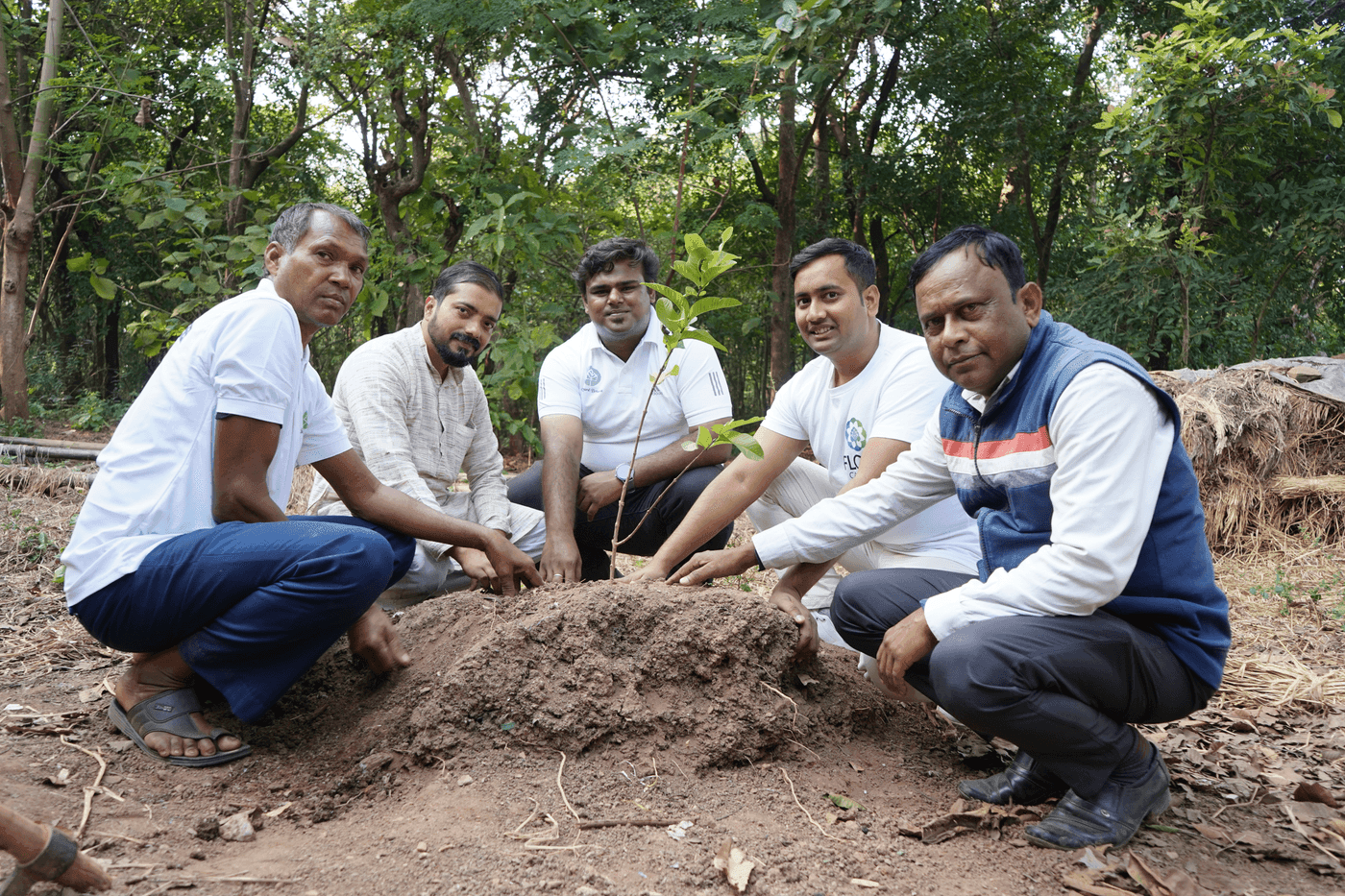
Our work sits mainly in ARR and WRC. The West Bengal agroforestry programme and the reforestation work are ARR-shaped: establishing tree cover where there was none. The Sundarbans mangrove work sits in the wetlands space, where our role is the spatial evidence layer — land screening and land-use and land-cover mapping.

For what those look like in practice, see agroforestry carbon projects and blue carbon projects.

Key terms in this article

AFOLU
Agriculture, Forestry and Other Land Use — the VCS project category covering land-based activities.
Removal
Taking carbon dioxide out of the atmosphere and storing it, as an ARR project does by growing trees.
Avoidance
Preventing a release that would otherwise have occurred, as a REDD project does by protecting threatened forest.
Leakage
Emissions displaced outside the project boundary by the project's own activity, which must be accounted for.

Frequently asked questions

What does AFOLU stand for?

Agriculture, Forestry and Other Land Use. It is the VCS project category covering land-based activities, subdivided into six project types: ARR, ALM, IFM, REDD, ACoGS and WRC.

What is the difference between ARR and REDD?

ARR establishes tree or vegetation cover where there was none, creating new carbon stock — a removal. REDD protects forest that would otherwise be cleared or degraded, preventing the loss of existing stock — an avoidance. Buyers increasingly price removals and avoidance differently.

Which AFOLU type covers mangroves?

Wetlands Restoration and Conservation (WRC), which covers tidal and freshwater wetland activities including mangroves, salt marshes and seagrass. The methodology used is usually VM0033.

Can a project belong to more than one AFOLU type?

The type follows the activity on the ground, and projects near a boundary — agroforestry that could read as ARR or as agricultural land management — are resolved by the applicability conditions of the candidate methodologies rather than by choice.

Sources

The regulatory facts in this article trace to the following primary sources. Scheme rules, methodologies and procedures continue to evolve, so check the current text before relying on any of it for a project decision.

  1. VCS Standard, v5.0, Verra, 16 December 2025

    The core rules document, including the AFOLU project categories.

    Link checked

  2. Verra — VCS Program details and documents

    The programme's own document index, and the authoritative place to confirm current versions.

    Link checked

Published by Flora Carbon AI · August 21, 2026

Next step

Scoping a carbon project in India?

Flora Carbon AI builds the measurement and verification evidence a carbon project needs, from land screening to registry-ready reporting.