
All learn articlesCarbon standards

Stakeholder consultation and safeguards under Gold Standard

The social requirements that distinguish Gold Standard from other standards — and the specific, checkable obligations a project has to meet.

Flora Carbon AI··7 min read
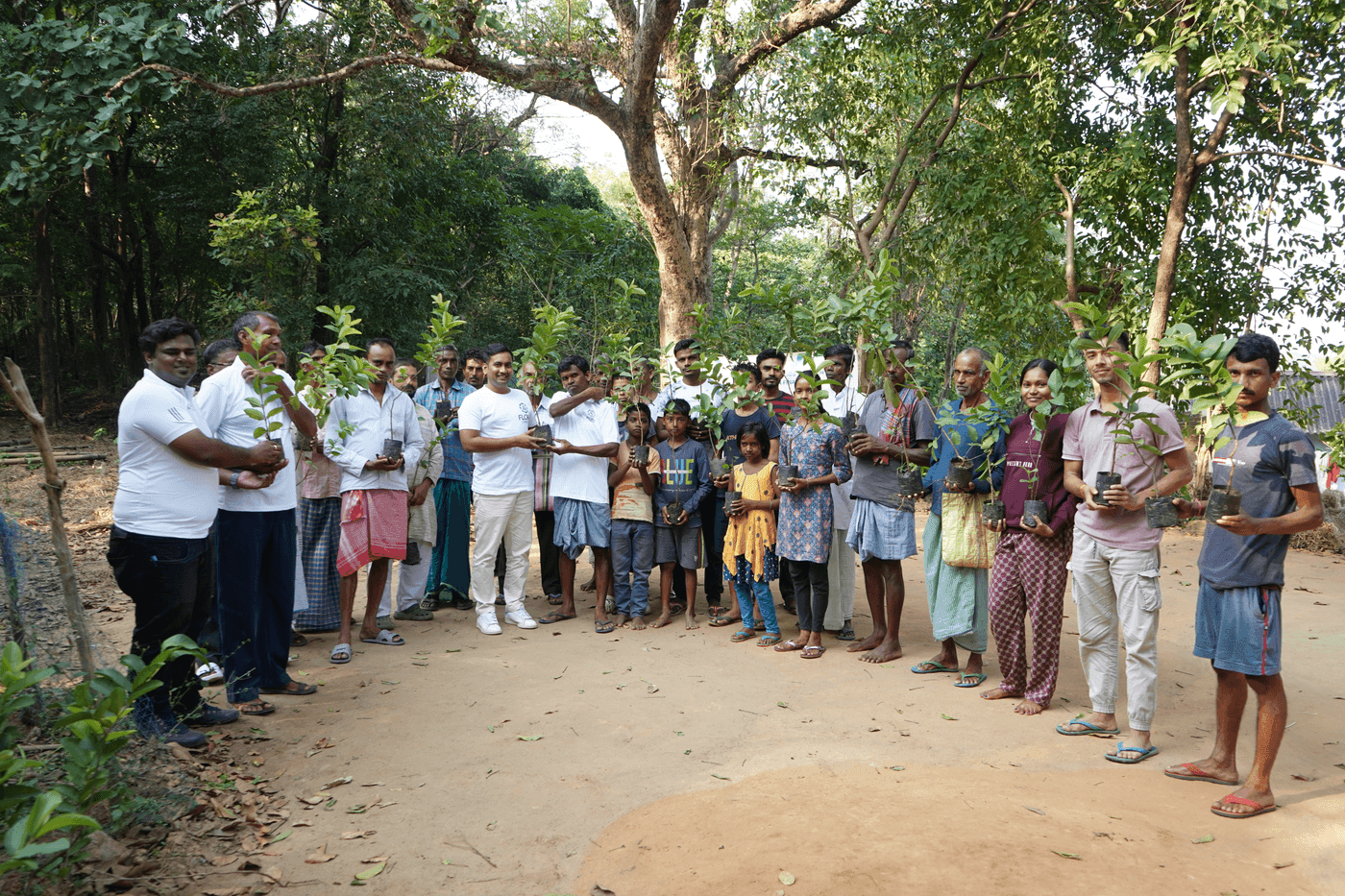
Agroforestry plantation on farmland in India

Gold Standard requires every certified project to consult the people it affects, assess and conform to safeguarding principles, and follow gender-sensitive procedures, including at least one public in-person meeting, a two-month stakeholder feedback round, and a formal grievance mechanism.

Key facts

  • Stakeholder consultation is mandatory for every Gold Standard project, not a recommended practice.
  • The consultation must include at least one public in-person meeting.
  • A stakeholder feedback round of two months is required.
  • The project must have a formal input, feedback and grievance mechanism in place.
  • Project developers must share the project's objective, scale, duration, sustainable development contribution and safeguards reports with stakeholders.
  • Safeguarding principles under document 103 must be assessed and conformed to throughout certification.
  • Gender-sensitive procedures are mandatory for all projects, with an optional gender-responsive route for projects quantifying SDG 5 impacts.
  • Engagement is ongoing rather than a one-off event at design stage.

What does Gold Standard require of stakeholder consultation?

Every Gold Standard project must consult the people its activity affects, and the requirements are specific rather than general. The consultation must include at least one public in-person meeting and a stakeholder feedback round lasting two months, and the project must have a formal input, feedback and grievance mechanism in place.

  • At least one public in-person meeting with affected stakeholders.
  • A stakeholder feedback round of two months.
  • A formal input, feedback and grievance mechanism.
  • Disclosure of the project's objective, scale and duration.
  • Disclosure of its sustainable development contribution and safeguards reports.
  • Ongoing engagement, not a single event at design stage.

The specificity is the point. A requirement to engage stakeholders meaningfully can be satisfied on paper by almost anything; a requirement to hold a public meeting and run a two-month feedback round can be checked, and a validator will check it.

What are the safeguarding requirements?

Document 103, Safeguarding Principles and Requirements, sets out environmental and social safeguards that every project must assess itself against and conform to throughout the certification process. It is not an activity-specific document — it applies whatever the project does.

Safeguards work as a screen rather than as a target. The project is not asked to maximise anything; it is asked to demonstrate that it has considered a defined set of harms and that none of them are occurring. That is a documentation burden that scales with the number of people the project touches, which is why smallholder aggregation programmes feel it most.

What does Gold Standard require on gender?

Gender-sensitive procedures are mandatory for all projects under document 104, Gender Equality Requirements and Guidelines. There is also an optional gender-responsive route for projects that want to quantify and certify specific gender equality impacts against Sustainable Development Goal 5.

The distinction matters when scoping. Gender-sensitive is the compulsory floor: the project must not disadvantage women and must consider gender in its design and consultation. Gender-responsive is an elective additional certification that produces a claim a buyer can point to.

Why does this exist, and what does it cost?

Gold Standard was founded in 2003 by WWF and other international non-governmental organisations, specifically out of a concern that carbon projects could deliver tonnes while doing little for the communities living alongside them. The social requirements are not an add-on to the carbon accounting; they are the reason the standard exists.

The cost is real and it is administrative rather than technical: meetings held, notice given, feedback logged and responded to, grievances recorded and resolved, all evidenced. For a project working with a few hundred farmers across scattered plots, that is a records problem — and it is the same records problem as per-farmer carbon traceability, which is why the two are worth solving together. See digital MRV in India.

Key terms in this article

Grievance mechanism
A formal route by which an affected person can raise a complaint about a project and have it recorded and addressed.
Safeguards
A defined set of environmental and social harms a project must assess itself against and demonstrate it is not causing.
Gender-sensitive
The mandatory baseline: the project considers gender in design and consultation and does not disadvantage women. Distinct from gender-responsive, which is an elective certification of specific SDG 5 impacts.

Frequently asked questions

Is stakeholder consultation mandatory for Gold Standard projects?

Yes, for every certified project. It must include at least one public in-person meeting and a stakeholder feedback round of two months, and the project must have a formal input, feedback and grievance mechanism in place.

How long is the Gold Standard stakeholder feedback round?

Two months. It runs alongside the required public in-person meeting and the ongoing engagement obligations, and project developers must share the project's objective, scale, duration, sustainable development contribution and safeguards reports with stakeholders.

What are Gold Standard safeguarding principles?

A set of environmental and social safeguards in document 103 that every project must assess itself against and conform to throughout certification, regardless of activity type.

Does Gold Standard require gender requirements?

Gender-sensitive procedures are mandatory for all projects under document 104. There is also an optional gender-responsive route for projects wishing to quantify and certify specific gender equality impacts under Sustainable Development Goal 5.

Sources

The regulatory facts in this article trace to the following primary sources. Scheme rules, methodologies and procedures continue to evolve, so check the current text before relying on any of it for a project decision.

  1. 102 Stakeholder Consultation and Engagement Requirements, v2.1, Gold Standard

    The consultation obligations placed on every certified activity.

    Link checked

  2. 102G Stakeholder Consultation and Engagement Guidelines, v2.0, Gold Standard

    The accompanying guidance on how consultation should be run and documented.

    Link checked

  3. 103 Safeguarding Principles & Requirements, v2.1, Gold Standard

    The safeguards every project must assess and conform to throughout certification.

    Link checked

  4. 104 Gender Equality Requirements & Guidelines, v2.0, Gold Standard

    The gender-sensitive procedures required of all projects, and the optional gender-responsive route.

    Link checked

  5. 101 Principles & Requirements, v2.1, Gold Standard, 31 January 2025

    The overarching certification rules applying to every activity.

    Link checked

Published by Flora Carbon AI · August 21, 2026

Next step

Scoping a carbon project in India?

Flora Carbon AI builds the measurement and verification evidence a carbon project needs, from land screening to registry-ready reporting.