
All learn articlesCarbon standards

How a VCS project goes from design to issued credits

The sequence every Verra project follows, and the difference between validation and verification — which is the distinction most often got wrong.

Flora Carbon AI··7 min read
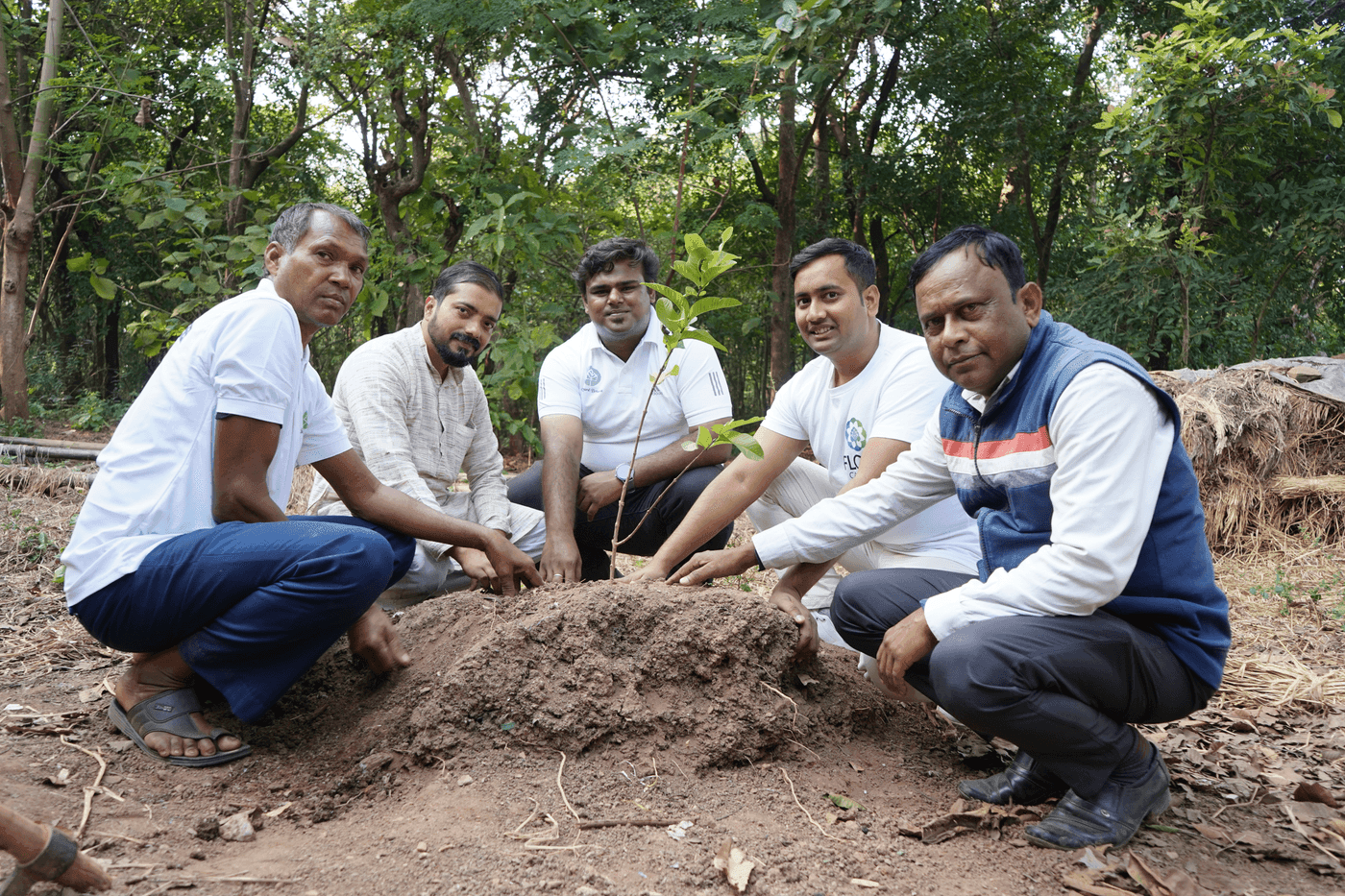
Afforestation project site under satellite monitoring

A VCS project moves through a fixed sequence — project description, independent validation, registration, monitoring, independent verification, and issuance of Verified Carbon Units — in which validation assesses whether the design meets the rules and verification assesses whether the reported outcomes actually happened.

Key facts

  • Validation and verification are different steps: validation checks the design before registration, verification checks the results afterwards.
  • Both are performed by an accredited validation and verification body (VVB), not by Verra and not by the project.
  • The project describes its design, baseline and monitoring plan in a Project Description, which is what the VVB validates.
  • Registration follows successful validation, after which the project appears on the Verra Registry.
  • Monitoring runs according to the plan in the Project Description, and results are reported in a Monitoring Report.
  • Verified Carbon Units are issued only after a VVB has verified the reported reductions or removals.
  • A credit is finally retired on behalf of a buyer, which is the point at which the claim is made and the unit cannot be sold again.

What is the difference between validation and verification?

Validation assesses a project's design: whether the proposed activity, baseline, methodology and monitoring plan meet the rules, before the project is registered. Verification assesses a project's performance: whether the emission reductions or removals it reports actually occurred, after monitoring has taken place.

Put simply, validation asks whether the plan is sound and verification asks whether the plan was followed and worked. They are frequently confused, and the confusion matters commercially: a validated project has permission to proceed, not credits to sell. Credits arrive only after verification.

What is the full sequence?

Every VCS project follows the same path, whatever its type. The stages below are sequential, and each produces a document that the next stage depends on.

The VCS project lifecycle, and who is responsible at each stage.
StageWhat happensWho
DesignThe project selects a methodology and writes a Project Description covering baseline, boundary and monitoring planProject proponent
ValidationIndependent assessment that the design meets VCS rules and the chosen methodologyAccredited VVB
RegistrationThe project is entered on the Verra Registry and can begin creditingVerra
MonitoringThe project measures according to its plan and writes a Monitoring ReportProject proponent
VerificationIndependent assessment that the reported reductions or removals actually occurredAccredited VVB
IssuanceVerified Carbon Units are issued to the project, less the buffer contributionVerra
RetirementA unit is permanently withdrawn on behalf of a buyer making the claimRegistry account holder

Monitoring, verification and issuance then repeat for each subsequent period across the crediting period, which for a forestry project runs for decades. That repetition is the part that most affects operating cost, and the part a project designs for least often.

Why does the VVB sit outside both Verra and the project?

The body that writes the rules should not be the body that certifies compliance with them, and neither should the party being certified. An accredited validation and verification body is independent of both, which is what allows a buyer to treat the resulting unit as evidence rather than as a claim.

It also sets the standard of evidence a project has to meet. A VVB is attesting to something it will be held accountable for, so it asks for records that can be traced to specific measurements at specific places on specific dates. Evidence assembled retrospectively to satisfy an auditor tends to look exactly like what it is.

What does this mean for how a project is set up?

The monitoring plan written at design stage is a commitment. It says what will be measured, how often, to what precision, and it is what verification will be conducted against years later. A plan that is easy to write and hard to execute creates a recurring problem at every verification cycle.

This is the argument for designing the measurement system alongside the Project Description rather than after it. See the VCS document library for the Project Description and Monitoring Report templates — reading them early is the cheapest way to find out what will be asked for — and digital MRV for what continuous evidence capture involves.

Key terms in this article

Project Description (PD)
The document in which a project sets out its design, baseline, boundary and monitoring plan for validation.
Monitoring Report (MR)
The document in which a registered project reports what it monitored during a period, submitted for verification.
Validation and verification body (VVB)
An accredited independent auditor, separate from both Verra and the project, that performs validation and verification.
Retirement
Permanently withdrawing a credit from circulation on behalf of a buyer, which is when the environmental claim is made.

Frequently asked questions

What is the difference between validation and verification?

Validation assesses a project's design before registration — whether the activity, baseline, methodology and monitoring plan meet the rules. Verification assesses performance afterwards — whether the reported reductions or removals actually occurred. Validation gives permission to proceed; verification is what leads to credits.

Who validates a Verra project?

An accredited validation and verification body (VVB), which is independent of both Verra and the project proponent. Verra sets the rules and operates the registry but does not audit projects itself.

When are Verified Carbon Units issued?

After a VVB has verified the reductions or removals reported in a Monitoring Report. Units are issued to the project less its buffer pool contribution, which is withheld against non-permanence risk.

What does retiring a carbon credit mean?

Permanently withdrawing the unit from circulation on behalf of a buyer, so it cannot be sold again. Retirement is the point at which the environmental claim is actually made.

Sources

The regulatory facts in this article trace to the following primary sources. Scheme rules, methodologies and procedures continue to evolve, so check the current text before relying on any of it for a project decision.

  1. Registration and Issuance Process, v5.0, Verra, 16 December 2025

    The procedural document governing the path from listing through registration to issuance.

    Link checked

  2. Validation and Verification Manual, v3.2, Verra

    How an accredited body must conduct validation and verification against the programme rules.

    Link checked

  3. Verra — VCS Program details and documents

    The programme's own document index, and the authoritative place to confirm current versions.

    Link checked

Published by Flora Carbon AI · August 21, 2026

Next step

Scoping a carbon project in India?

Flora Carbon AI builds the measurement and verification evidence a carbon project needs, from land screening to registry-ready reporting.